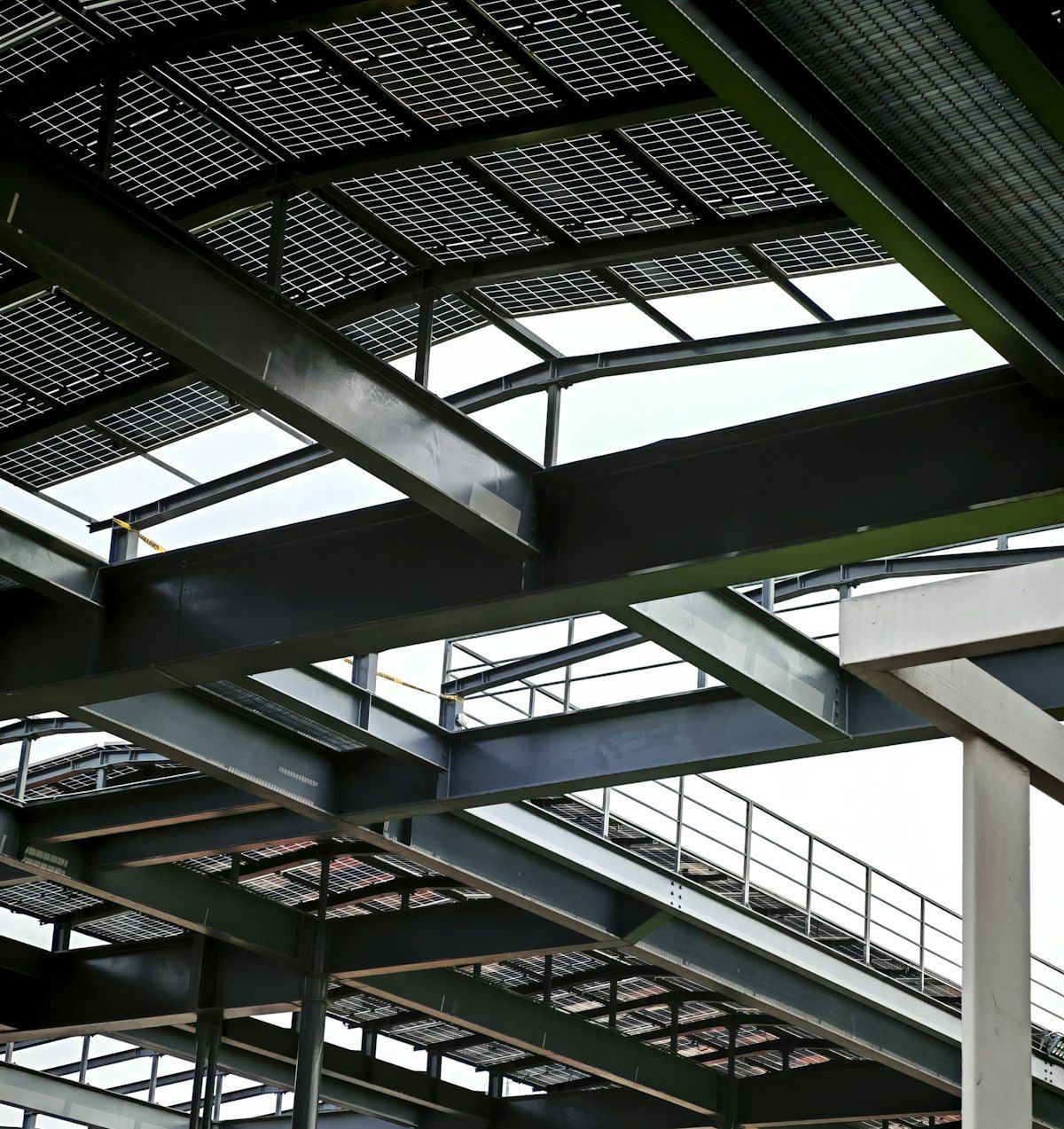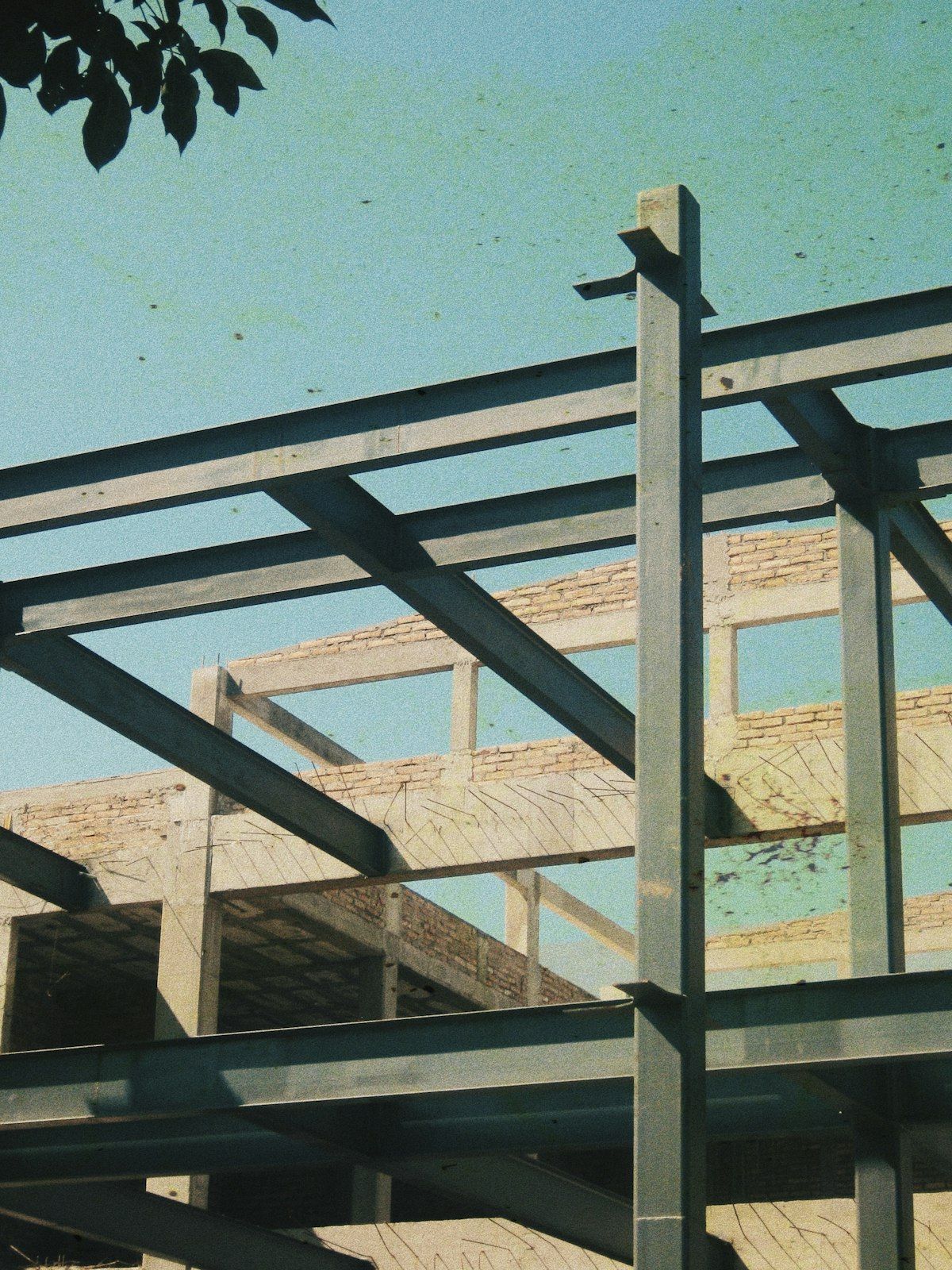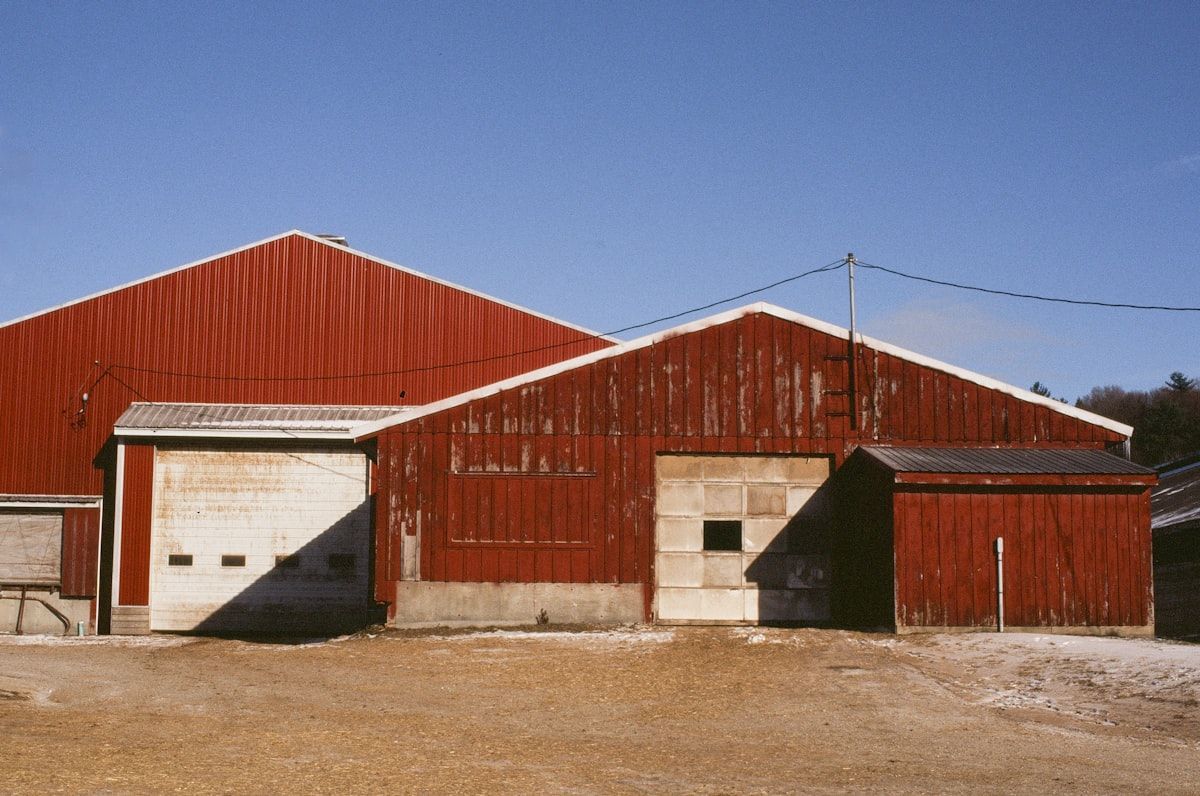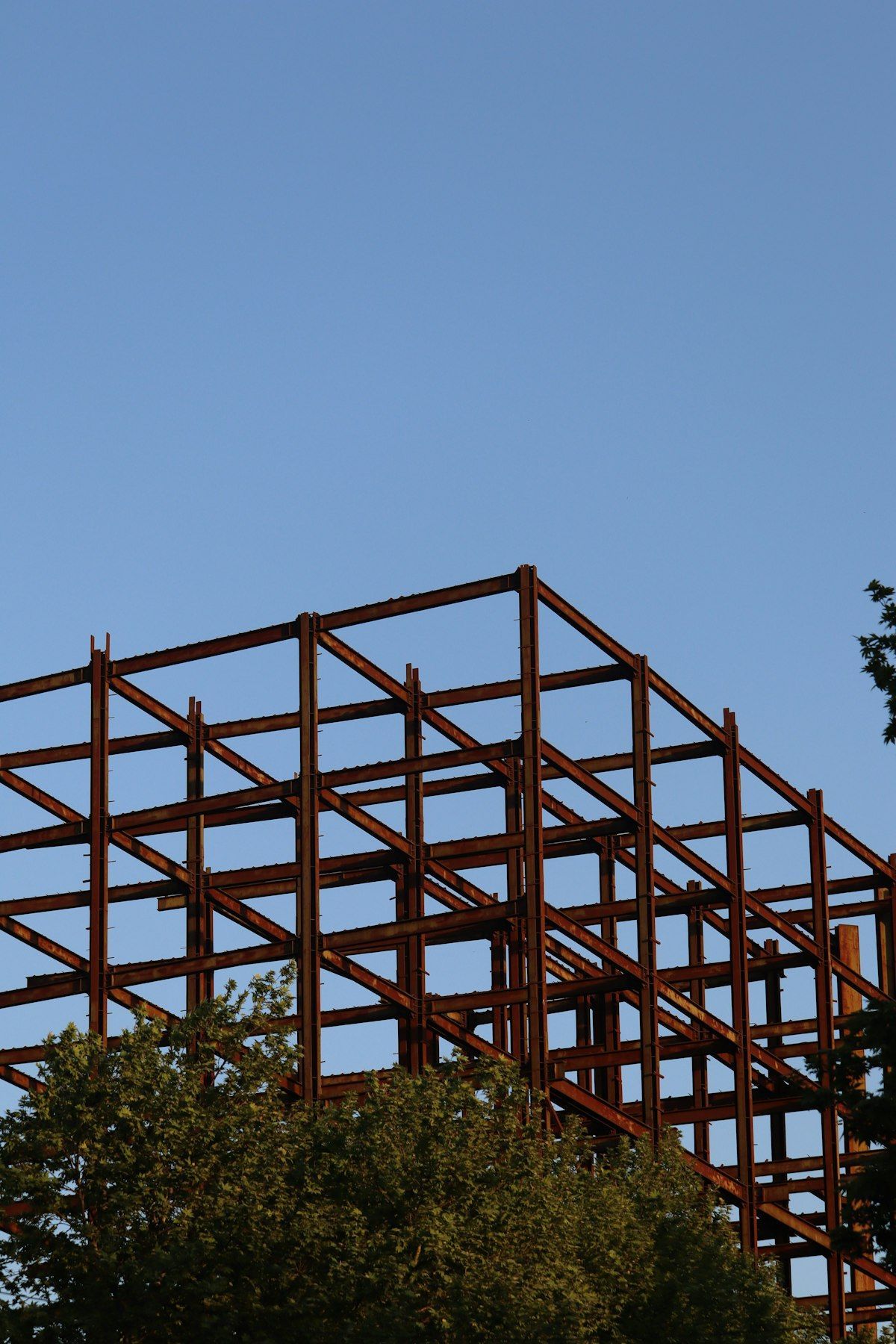
Steel buildings have become increasingly popular for commercial, industrial, and residential uses due to their durability, flexibility, and cost-effectiveness. However, the efficiency of a steel structure is not solely dependent on its design or the quality of steel used. A critical but often overlooked component is the insulation. Proper building insulation plays a pivotal role in enhancing the overall performance and comfort of steel buildings, making it a key factor in sustainable construction practices.
Why Insulation Matters in Steel Buildings
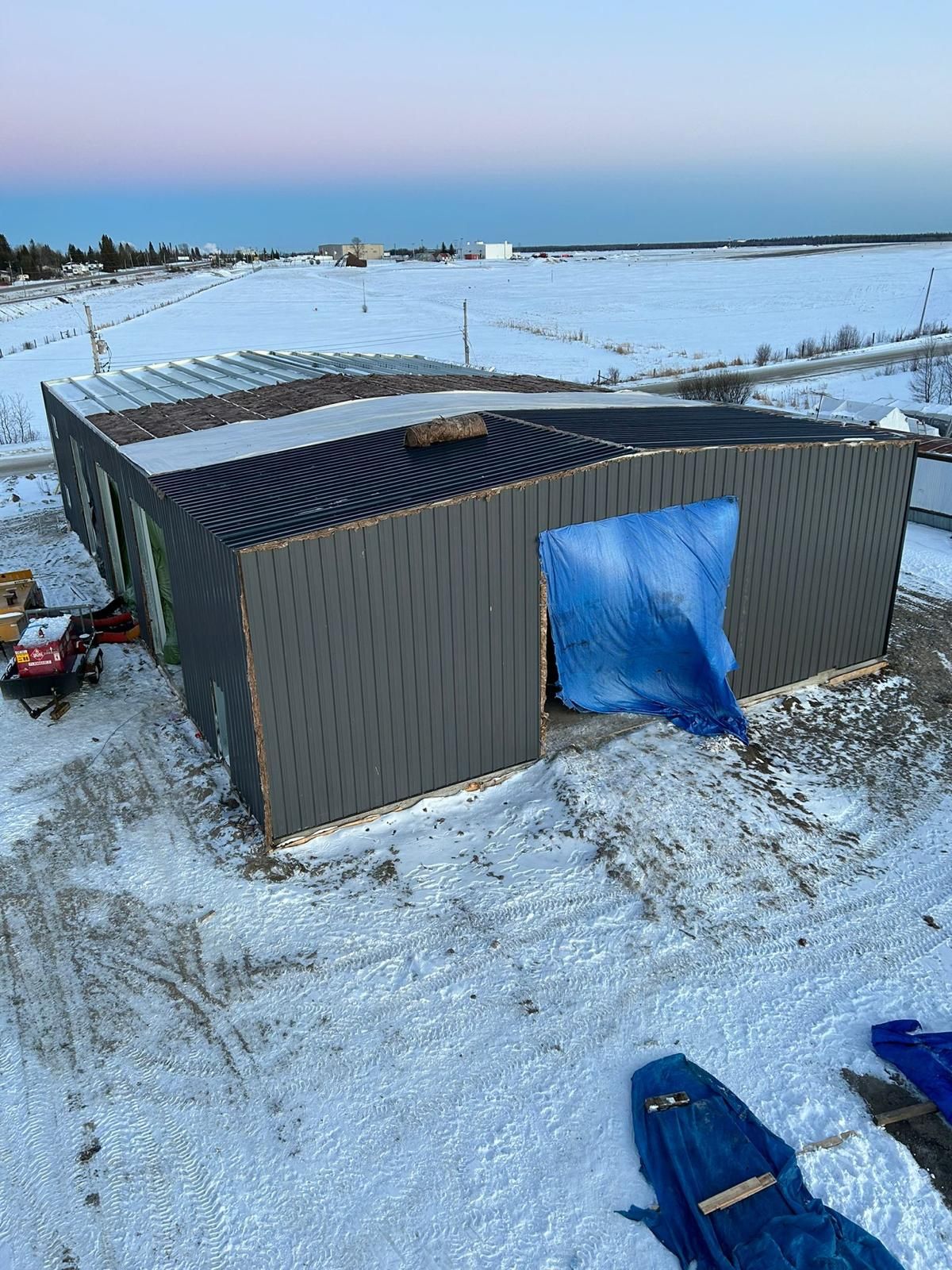
Steel, by nature, is a highly conductive material, which means it can easily transfer heat. During summer, steel structures without proper insulation can become unbearably hot, and in winter, they can turn extremely cold, leading to discomfort and increased energy costs for heating and cooling. Insulation acts as a barrier, reducing the rate at which heat escapes or enters the building, thereby stabilizing the interior environment and significantly reducing energy consumption.
Types of Insulation Used in Steel Buildings
There are several types of insulation materials suitable for steel buildings, including fiberglass, rigid foam, spray foam, and reflective insulation. Each type has its advantages and is chosen based on specific needs such as thermal resistance, moisture resistance, and ease of installation. For instance, spray foam insulation, while more expensive, provides excellent air sealing properties and high R-values per inch, making it an excellent option for maximizing energy efficiency and preventing condensation issues in steel structures.
Benefits of Properly Insulated Steel Buildings
1. Energy Efficiency: Well-insulated steel buildings require less energy for heating and cooling, which translates to lower utility bills and a smaller carbon footprint.
2. Comfort: Insulation helps maintain a consistent indoor temperature, ensuring a comfortable environment for occupants regardless of the weather outside.
3. Moisture Control: Proper insulation, combined with an effective vapor barrier, can help prevent condensation problems, which are common in metal buildings and can lead to mold growth and structural damage.
4. Noise Reduction: Insulation materials can also serve as sound dampening, reducing the transmission of noise from outside and between different areas within the building.
Insulation Solutions for Every Steel Building
At GTA Steel Building, we understand that each project is unique, and we offer custom insulation solutions tailored to meet the specific needs and challenges of your steel structure. Whether it’s a commercial warehouse requiring high thermal resistance, a manufacturing facility needing moisture control, or a residential building looking for both comfort and energy efficiency, our team of experts is equipped to provide the optimal insulation solution. We use the latest materials and technology to ensure your steel building is not just durable, but also efficient and comfortable.
Making the Right Choice
Choosing the right insulation for your steel building is a critical decision that will affect its performance, cost-effectiveness, and sustainability in the long run. Consider factors such as the climate of your location, the building’s purpose, and your budget when deciding on the type and amount of insulation. Working with experienced professionals like GTA Steel Building can help ensure that you make an informed choice that meets your specific needs.
As a leading provider of custom steel building designs and solutions, GTA Steel Building is dedicated to delivering projects that not only meet but exceed our clients' expectations. Our commitment to quality, sustainability, and customer satisfaction drives us to offer the best insulation options and installation services tailored to your steel building project.
Take the Next Step Towards a More Efficient Steel Building
Enhancing the efficiency of your steel building starts with choosing the right insulation. If you’re planning a new construction project or looking to improve the performance of an existing steel structure, our team is here to help. Contact GTA Steel Building today to discuss your insulation needs and discover how we can support you in achieving a comfortable, energy-efficient, and sustainable building. Let’s work together to make your steel building project a success.
Share This Blog