A straight-talking guide for building owners across Canada — from the Prairies to the Maritimes.
By GTA Steel Building · Metal Roofing Guide · Serving All of Canada
When it comes to metal roofing for steel buildings, two systems dominate the market: standing seam and screw-down (exposed fastener) panels. Both are durable, both are popular — but they are not the same. Choosing the wrong one for your project can mean higher long-term costs, leak problems, and headaches that could have been avoided from the start.
At GTA Steel Building, we've been designing and erecting steel structures across Canada — from the GTA to Alberta, British Columbia to Nova Scotia — and one of the most common questions we get is simple: which roof system should I choose? This guide will give you a clear, honest answer.
Looking for the best roofing system for your commercial, industrial, agricultural, or warehouse steel building in Canada? GTA Steel Building helps clients across Ontario and Canada choose durable metal roofing systems designed for long-term performance, snow loads, and Canadian weather conditions.
👉 Need help selecting the right roofing system for your steel building project? Contact GTA Steel Building for a free consultation and quote anywhere in North America.
- Best Metal Roofing for Steel Buildings in Canada
- Standing Seam vs Exposed Fastener Roofing
- Which Roofing System Performs Better in Canadian Winters?
- Commercial & Industrial Steel Building Roofing Options
At a Glance: The Key Differences
Standing Seam (Recommended for most builds)
- Fastener exposure: Hidden
- Thermal movement: Fully accommodated
- Lifespan: 50+ years
- Maintenance: Very low
- Upfront cost: Higher
- Solar panel compatible: Yes (clamp-on)
Screw Down / Exposed Fastener
- Fastener exposure: Exposed
- Thermal movement: Restricted
- Lifespan: 20–30 years (with upkeep)
- Maintenance: Regular re-fastening required
- Upfront cost: Lower
- Solar panel compatible: Requires penetrations
GTA Steel Building works with commercial, industrial, agricultural, and warehouse clients across North America to design roofing systems based on climate, building use, lifespan, and long-term operating costs.
Standing Seam: Built for the Long Game
Standing seam roofing features raised interlocking seams that run vertically up the roof slope. The panels are attached to the structure using concealed clips — meaning no screws or fasteners pierce the roof surface at all. This is the system's defining advantage.
Because the metal is free to expand and contract along the clip system, there's no stress on the panel material — a critical consideration in Canada, where temperature swings between a January night in Winnipeg and a July afternoon can exceed 60°C. Over time, that thermal movement is exactly what causes exposed fastener systems to fail.
Advantages:
- No exposed fasteners — leak risk is minimal
- Handles extreme Canadian temperature swings
- Minimal maintenance over decades
- Clean, architectural look
- Ideal for solar and rooftop systems
- Better resale and insurance value
Considerations:
- Higher upfront material cost
- More complex installation
- Fewer panel profiles to choose from
Canadian Climate Note: Standing seam's floating clip system was practically designed for Canada's freeze-thaw cycles. In our experience, buildings from Thunder Bay to Calgary to the Lower Mainland all perform better long-term with hidden fastener systems.
Screw-Down Roofing: The Budget-Friendly Workhorse
Screw-down — also called exposed fastener or R-panel — roofing is exactly what it sounds like. Metal panels are fastened directly to the purlins using screws with rubber or neoprene washers that compress to create a seal. It's fast to install, widely available, and meaningfully less expensive than standing seam upfront.
For the right application — a storage shed, a temporary structure, or a low-slope agricultural building — screw-down roofing is a perfectly sensible choice. The problem is when it's used where it shouldn't be, simply because it's cheaper to install today.
Advantages:
- Lower upfront installation cost
- Faster to install
- Widely available panel profiles
- Good for agricultural or utility builds
- Straightforward repairs
Considerations:
- Washer seals degrade and leak over time
- Thermal movement causes fasteners to back out
- Requires periodic re-fastening and inspection
- Not ideal for solar installations
- Higher lifetime maintenance cost
The rubber washers on screw-down systems do their job — but they have a finite life. UV exposure, compression set, and freeze-thaw cycling degrade them. Once they fail, you have a penetration through your roof membrane with nothing protecting it. On a building in Moncton or Sudbury that sees serious weather, that's a liability that compounds every year.
The Real Cost Question
Here's the honest math: standing seam costs more per square foot to supply and install. That gap is real, and we won't pretend otherwise. But the comparison only makes sense over the life of the building.
A screw-down roof that needs re-fastening every 10–15 years, washer replacement, and eventual panel replacement at year 25–30 will often exceed the lifetime cost of a standing seam system installed once and largely forgotten. Add in the risk of water intrusion damage — insulation, structural members, inventory — and the calculation shifts further.
Think of it this way: Standing seam is not a premium upgrade — it's the cost of not doing the roof twice. For any permanent commercial, industrial, or agricultural building, we almost always recommend it.
Which System Is Right for Your Project?
Here's how we guide our clients at GTA Steel Building:
Choose standing seam if your building is permanent, will see heavy weather or wide temperature swings, has a finished interior, houses sensitive equipment or inventory, or will be on site for more than 20 years. That covers most commercial, industrial, warehouse, equestrian, and institutional builds across Canada.
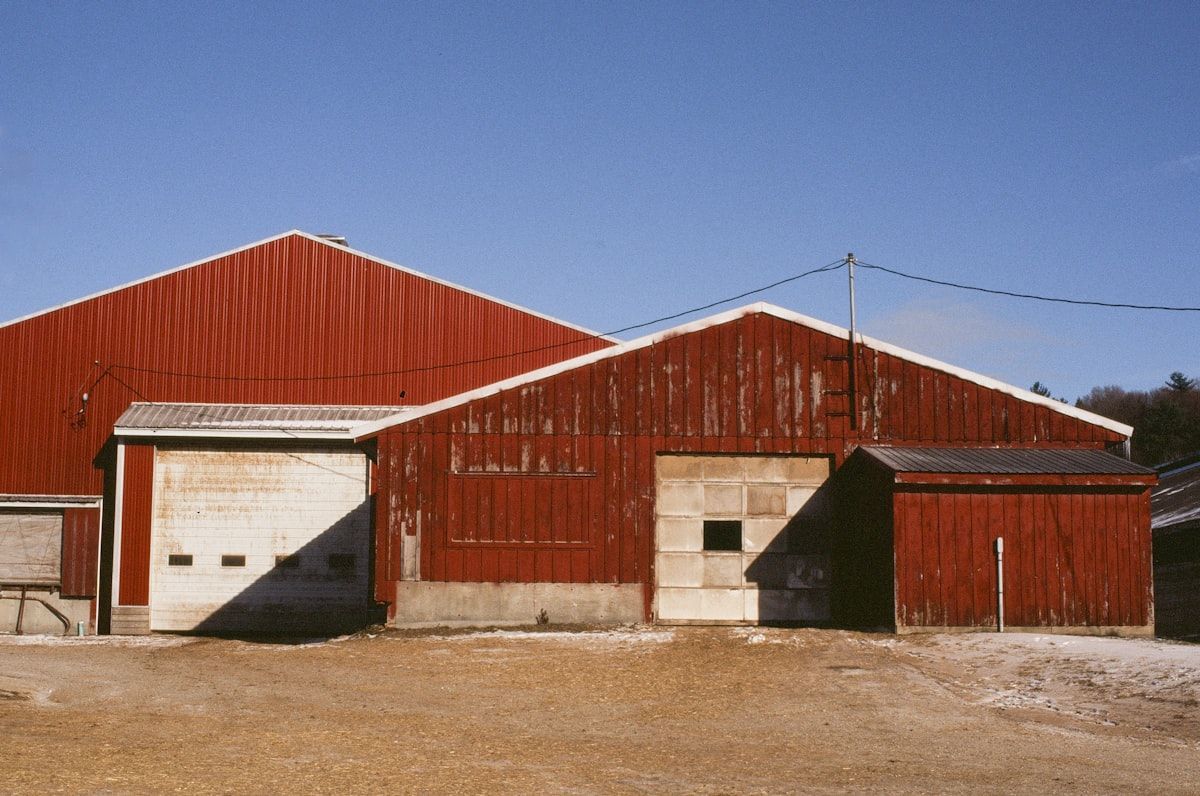
Consider screw-down if you're building a simple open-sided agricultural structure, a storage building with no climate concerns, or a structure with a planned short lifespan. For large-scale utility or farm buildings where budget is the primary constraint and maintenance is manageable, it's a legitimate option.
Our Verdict
For most Canadian steel buildings — go standing seam.
Canada's climate is hard on buildings. Wide thermal swings, heavy snow loads, ice damming, and freeze-thaw cycles all put roofing systems under stress that few other countries experience. A standing seam system, properly detailed and installed, handles all of that with almost zero maintenance for decades. It's the system we specify for our own customers when the building is meant to last — and in our experience, it always pays for itself.
Still not sure which system fits your project? Every build is different. Slope, use, budget, location, and long-term plans all factor into the right answer. Our team has helped clients across Canada — from the GTA to rural Saskatchewan — make this decision with confidence.
Ready to Start Your Steel Building Project?
Whether you're planning a warehouse, commercial facility, industrial building, farm structure, or agricultural steel building, GTA Steel Building can help you choose the right roofing system for your climate, budget, and long-term goals.
✅ Free consultation
✅ Nationwide service across Canada
✅ Commercial, industrial & agricultural expertise
✅ Competitive steel building solutions
👉 Contact GTA Steel Building Today for a Free Quote
Share This Blog